Southern Thai Food: A Culinary Journey Through Phi Phi
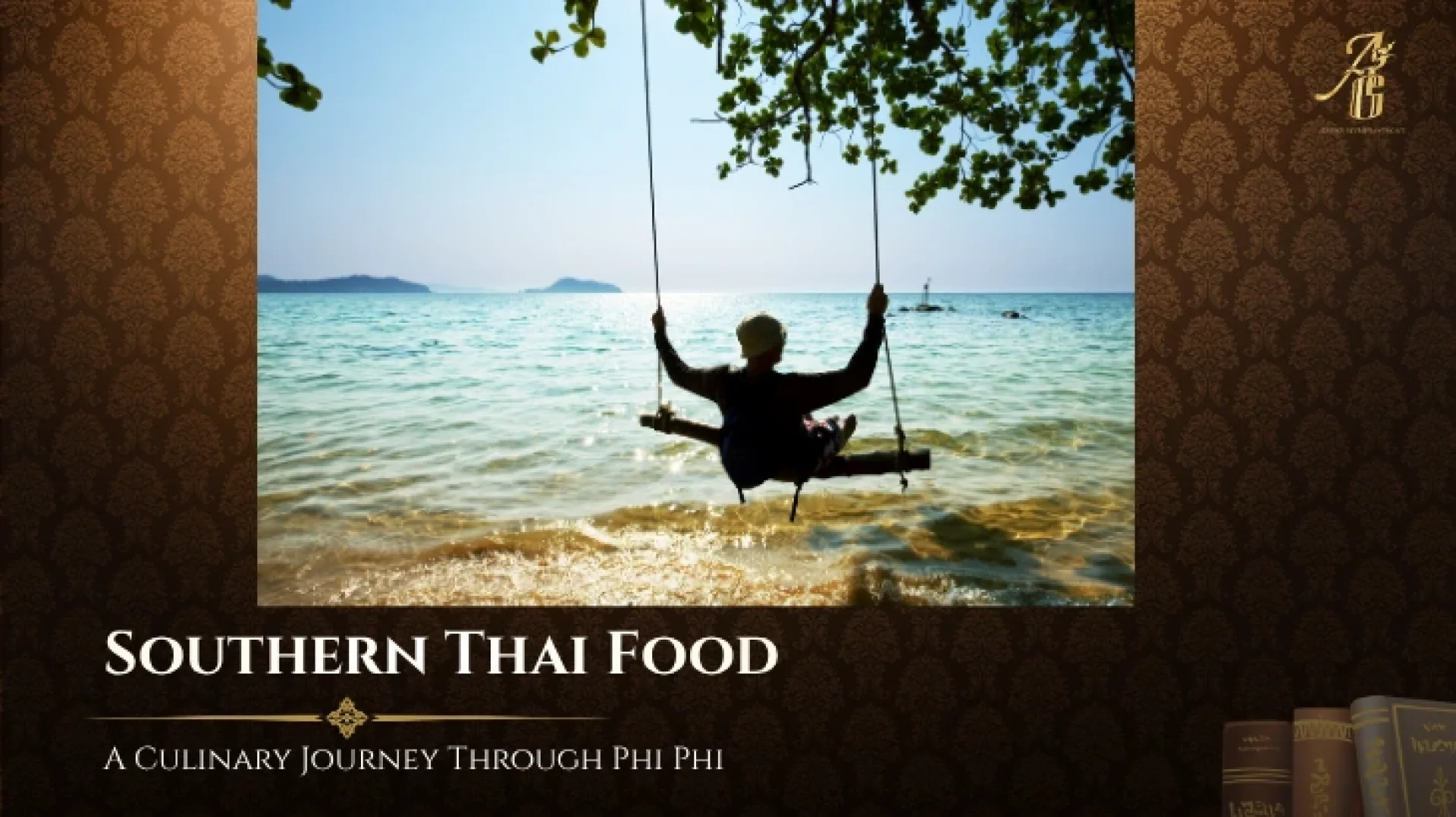
Southern Thai Food: A Culinary Journey Through Phi Phi
You do not need to visit a museum to explore the history of Southern Thai cuisine. Its story is already waiting in the sea surrounding Phi Phi, the paths of Tonsai Village, the spices found in local kitchens, and the dishes served around the island.
Southern Thai Food in Phi Phi is more than something to enjoy between boat trips. It reflects centuries of maritime trade, coastal life, cultural exchange, and family cooking traditions. Seafood represents the communities that have long lived beside the Andaman Sea, while turmeric, chilies, coconut, aromatic herbs, and dried spices reveal connections extending far beyond Thailand.
A day exploring Phi Phi can therefore become a culinary history tour. You can begin on the water, walk through the village, view the island from above, and complete the experience with authentic Thai food at As Good Restaurant.
A Brief History of Southern Thai Cuisine
Southern Thailand occupies a long peninsula between the Andaman Sea and the Gulf of Thailand. Its geography provided communities with abundant seafood, tropical plants, herbs, coconuts, and forest ingredients.
The region was also positioned along important maritime routes. Traders and travelers from China, India, the Malay world, and other parts of Maritime Southeast Asia passed through Southern Thailand over many generations.
According to the Thailand Foundation, these maritime connections continue to influence the food of the region. Research published by the Thai Khadi Research Institute also describes Southern Thai cuisine as a meeting point between local identity and Chinese, Indian, Middle Eastern, and Malay culinary traditions.
Rather than replacing local cooking, these influences blended with ingredients from the sea, forests, farms, and home gardens of Southern Thailand. The result was a cuisine with a strong regional identity: aromatic, spicy, savory, sour, and deeply connected to its surroundings.
The Sea Shaped the Southern Thai Table
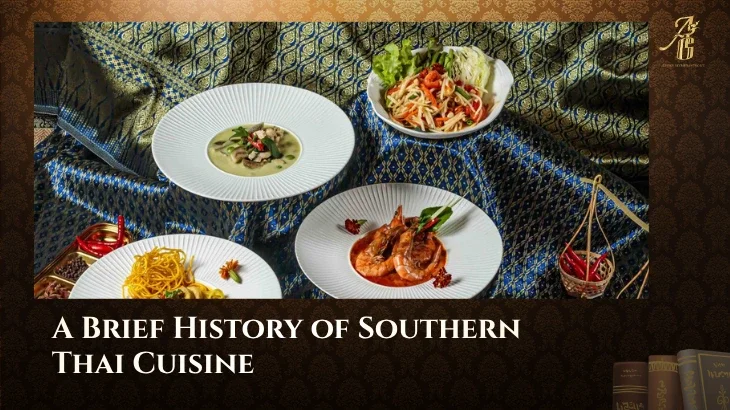
With coastlines on both sides of the peninsula, seafood naturally became important to Southern Thai cooking. Fish, prawns, squid, shellfish, shrimp paste, and fish sauce appear in many regional meals.
These ingredients were not chosen only for flavor. They reflected what coastal communities could catch, preserve, trade, and prepare for their families.
The importance of the sea is still visible when traveling around Phi Phi. Fishing boats, long-tail boats, limestone bays, and seafood dishes all form part of the same coastal story.
Maritime Trade Brought New Aromas
Southern Thailand's location connected it with trading communities from South Asia, China, the Malay Peninsula, and the wider Indian Ocean.
Dried spices such as cardamom, cinnamon, cloves, coriander seeds, and cumin became associated with dishes shaped by Indian, Persian, Malay, and Muslim cooking traditions. Roti, spiced rice dishes, and aromatic curries demonstrate how food can carry history across borders.
Massaman curry is one of the best-known examples. Its combination of Thai aromatics, coconut milk, roasted spices, and Muslim culinary influence reflects the cultural exchanges that shaped Thai food over time.
You can explore this story further in As Good's guide to the history of Massaman curry.
Local Ingredients Created a Distinctive Identity
International trade introduced new flavors, but Southern Thai cooks transformed them through local knowledge and ingredients.
Turmeric brought an earthy aroma and golden color. Chilies added heat. Lemongrass, galangal, kaffir lime, shallots, garlic, and pepper created fragrance and depth. Coconut softened or enriched certain curries, while tamarind and other sour ingredients added brightness.
Fresh vegetables are traditionally served beside many spicy Southern dishes. They provide different textures and offer a refreshing contrast to strong curries and chili pastes.
Turn Your Phi Phi Trip Into a Culinary History Tour
The best way to understand Southern Thai cuisine is to connect the food with the landscape that shaped it. Phi Phi offers several activities that reveal this relationship.
The following itinerary is flexible. Boat access, weather, tides, and conservation requirements can change, so confirm current conditions with licensed local operators before departing.

Morning: Discover the Andaman Sea by Boat
Begin the day with a boat trip around the Phi Phi Islands. Depending on the route and current access rules, the journey may include limestone cliffs, lagoons, beaches, and snorkeling locations.
As you travel across the water, consider how important the sea has been to Southern communities. It provided food, transportation, trade connections, and contact with other cultures.
Places such as Maya Bay and Pileh Lagoon are famous for their scenery, but the journey between them also helps explain why seafood and maritime influences became central to Southern Thai cuisine.
Choose a responsible operator, follow conservation instructions, avoid touching coral, and keep a respectful distance from marine life.
Midday: Walk Through Tonsai Village
After returning to Phi Phi Don, explore Tonsai Village on foot.
The compact village brings together residents, travelers, restaurants, shops, cafes, and boat services. Although modern Tonsai is shaped by tourism, walking through its lanes provides a glimpse of how island communities remain connected through food, trade, and everyday movement.
Stop to notice the ingredients displayed by restaurants and food stalls. You may see seafood, fresh herbs, chilies, tropical fruit, curry pastes, coconut-based dishes, and familiar Thai favorites.
For more places to explore, read As Good's guide to the must-visit check-in spots on Phi Phi Island.
Afternoon: See the Island From a Viewpoint
A walk to a Phi Phi viewpoint provides a wider perspective of the island. From above, you can see the bays, village, beaches, and narrow strip of land connecting different parts of Phi Phi Don.
The view makes the relationship between geography and food easier to understand. Southern Thai cuisine developed in communities surrounded by water, tropical vegetation, and natural trade routes.
Take drinking water, wear suitable shoes, and allow enough time for the climb. If the trail is wet or visibility is poor, choose a beach walk or another activity at a lower elevation.
Evening: Taste the Story at As Good Restaurant
Complete your culinary history tour with dinner at As Good Restaurant.
After a day on the water and around the island, a shared Thai meal gives you time to experience the aromas, ingredients, and cooking traditions discussed throughout the day.
As Good's official story traces its curry-paste tradition back through the family and explains that the restaurant continues to prepare curry paste by hand using established methods. Freshly pounded chilies, shallots, garlic, herbs, and spices help build the layered flavors associated with authentic Thai cooking.
Menus and availability can change, so ask the team which current dishes best showcase Southern or Andaman flavors. If you are sensitive to chili, mention your preferred spice level when ordering.
Sharing several dishes is an excellent way to compare different flavors. Choose a mixture of curry, seafood, vegetables, rice, and milder options so everyone at the table can participate.
What Makes Southern Thai Food Different?
Southern Thai cuisine varies across provinces, communities, religions, and individual households. It should not be reduced to a single flavor profile. However, several characteristics appear frequently.
Bold Spice and Aromatic Curry Pastes
Many Southern curries are known for their intensity. Curry pastes may combine fresh chilies, dried chilies, turmeric, lemongrass, galangal, garlic, shallots, pepper, and kaffir lime.
Pounding these ingredients helps release their aromas and creates a base with more complexity than heat alone.
Seafood and Preserved Ingredients
The surrounding seas provide fresh fish and shellfish, while shrimp paste, fish sauce, and fermented ingredients add savory depth.
The MICHELIN Guide's introduction to Southern Thai dishes highlights the seaside origins of the cuisine and the importance of seafood, herbs, shrimp paste, and fish sauce.
Turmeric, Coconut, and Fresh Herbs
Turmeric is one of the region's most recognizable ingredients. It contributes color, aroma, and an earthy character to curries, soups, rice dishes, and marinades.
Coconut milk appears in many Southern and Malay-influenced dishes, although not every Southern curry contains coconut. Fresh herbs and vegetables introduce fragrance, texture, and balance.
Cultural Diversity
There is no single Southern Thai table.
Buddhist, Muslim, Chinese-Thai, Malay, coastal, agricultural, and urban communities have all contributed to the region's food culture. Recipes also change from province to province and from one family kitchen to another.
This diversity is one reason Southern Thai food is worth exploring through several dishes rather than judging it from a single curry.
Is Southern Thai Food Always Very Spicy?
Southern Thai cuisine is often associated with strong heat, but not every dish is extremely spicy.
Some curries and stir-fries are made for experienced chili lovers. Other dishes emphasize coconut, roasted spices, herbs, grilled ingredients, or savory flavors instead.
Travelers new to Southern Thai food can begin with a milder curry, seafood dish, rice dish, soup, or shared meal. Ask the restaurant team about the flavor and spice level before ordering.
The goal is not to prove how much chili you can tolerate. It is to notice how heat works with sourness, saltiness, sweetness, herbs, spices, and savory ingredients.
How Many Days Should You Spend in Phi Phi?
A day trip can introduce you to the scenery, but staying overnight allows more time to experience Tonsai Village, the viewpoints, beaches, restaurants, and evening atmosphere.
Three days and two nights provide a comfortable pace for many first-time visitors. This leaves time for a boat trip, snorkeling, a viewpoint, local walks, beach time, and unhurried meals.
Use As Good's three-day Phi Phi itinerary to plan a longer visit.

Experience Southern Thai Food in Phi Phi at As Good
The history of Southern Thai cuisine is not confined to the past. It continues whenever local ingredients are selected, curry paste is pounded, recipes are shared, and travelers gather around a Thai meal.
Exploring Phi Phi by boat, walking through Tonsai Village, viewing the island from above, and tasting regional flavors can transform an ordinary travel day into a deeper cultural experience.
After exploring the Andaman Sea, complete your journey at As Good Restaurant. Discover authentic Thai cooking, ask about the stories behind the flavors, and share your favorite dishes with the people traveling beside you.
Reserve your table at As Good Restaurant and follow the restaurant for menu inspiration, Phi Phi travel ideas, and updates:
Explore the island, taste its history, and let As Good introduce you to the flavors that connect Southern Thailand with the sea.