Thai Curry vs Indian Curry: 5 Essential Differences Every Food Lover Must Know
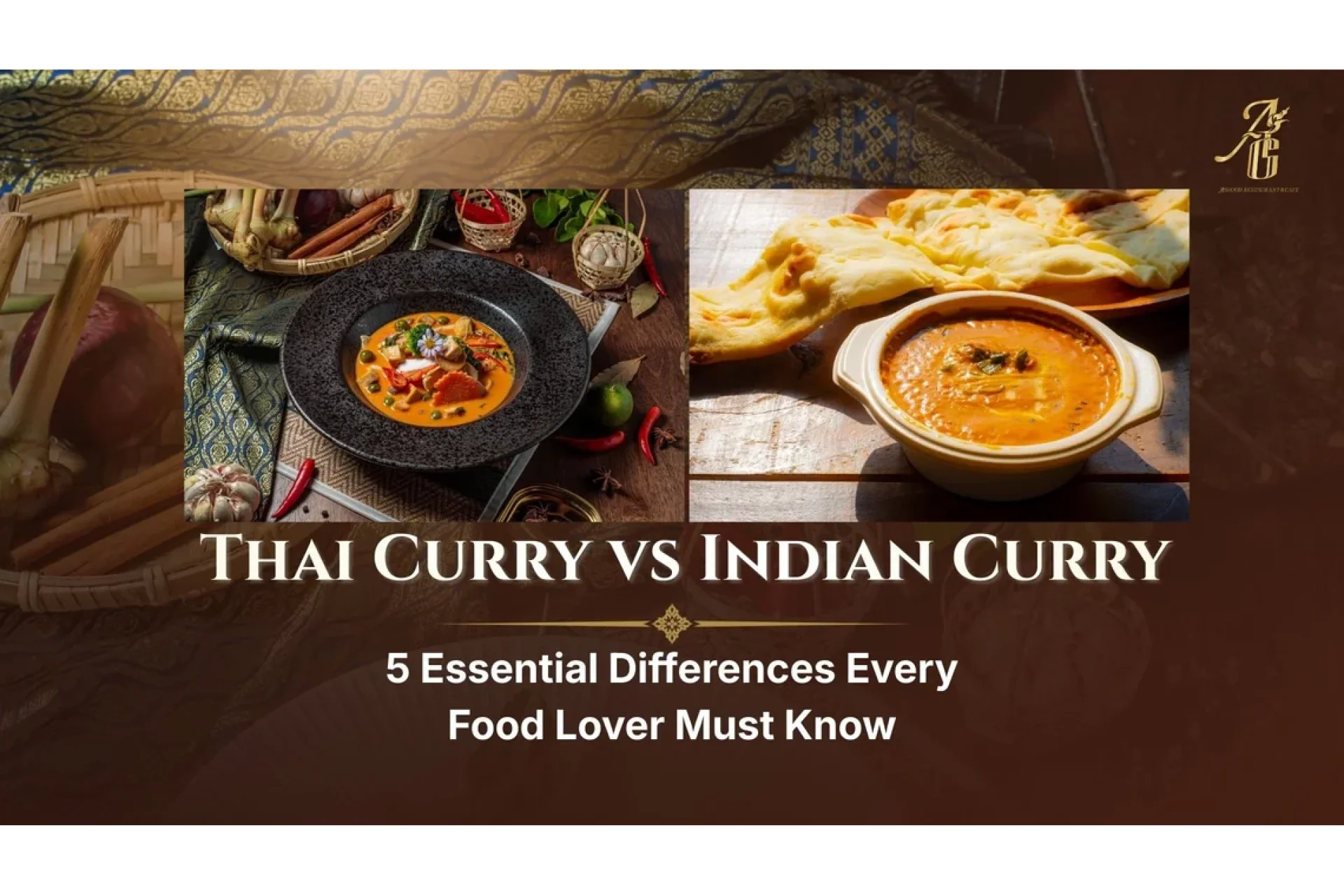
When it comes to globally popular dishes, "Curry" consistently ranks among the most searched and beloved foods worldwide. But for true food enthusiasts, have you ever wondered why "Thai Curry" and "Indian Curry" have such distinctly different flavors and appeal?
While both feature bold spices and vibrant colors, the story behind each curry pot reveals thousands of years of different histories and culinary wisdom. This article takes you deep into 5 crucial differences that make each nation's curry uniquely distinctive.
Key Highlights
- Spices: Fresh Aromatics vs. Dried Spices
- The Umami Enhancer: Shrimp Paste vs. Masala
- Different Types of Richness: Coconut Milk vs. Milk and Butter
- Cooking Technique: Pound & Simmer vs. Fry Until Fragrant
- How to Eat: Jasmine Rice vs. Naan Flatbread
- Experience Authentic Thai Curry at As Good Restaurant
1. Spices: Fresh Aromatics vs. Dried Spices
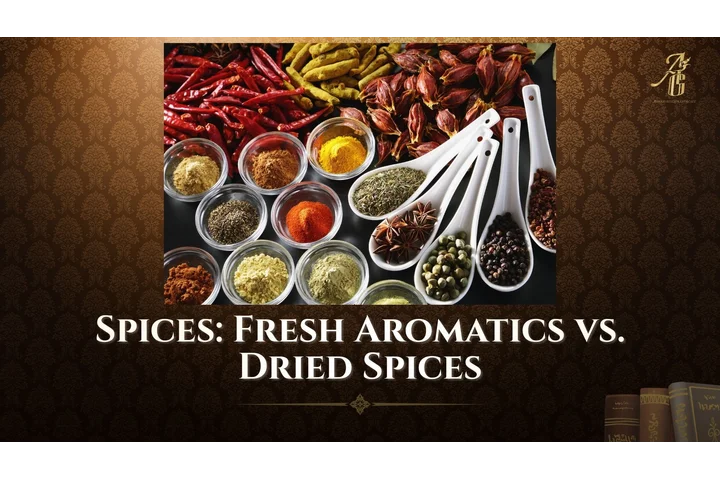
This is the heart and soul that defines the "aroma" of curry:
Thai Curry (Fresh Aromatics)
Emphasizes fresh herbs as the primary foundation, such as galangal, lemongrass, kaffir lime peel, and coriander root. These ingredients give Thai curry a zesty, fresh aroma that feels vibrant and alive.
Indian Curry (Dried Spices)
Focuses on dried spices that have been roasted and ground into powder, such as cumin, coriander seeds, cloves, and cinnamon. This gives Indian curry a deep, warm, earthy aroma — the intense scent of toasted spices.
2. The Umami Enhancer: Shrimp Paste vs. Masala
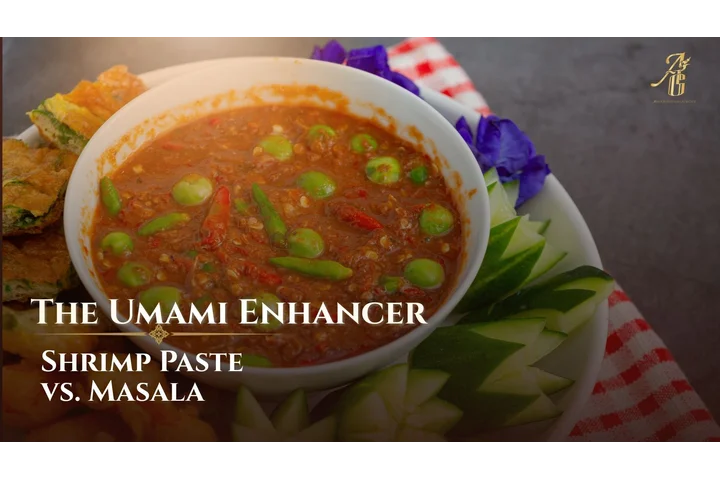
The savory depth that keeps us coming back comes from ingredients that differ by geography:
Thai Curry
Uses shrimp paste (Kapi) or fish sauce to create salty dimensions and roundness of flavor, a preservation wisdom from Southeast Asian coastal communities.
Indian Curry
Uses Masala (a blend of multiple spices) and often includes frying ground onions with tomatoes until they break down, creating thickness and a smooth, velvety texture.
3. Different Types of Richness: Coconut Milk vs. Milk and Butter
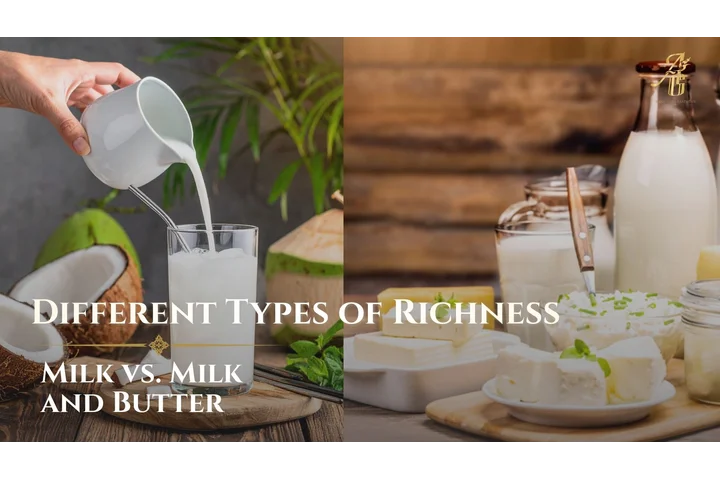
The source of creaminess reflects local resources:
Thai Curry
Uses coconut milk from coconuts, which provides a lighter richness with natural sweet aroma and pairs beautifully with fresh herbs.
Indian Curry
Especially in the north, uses milk, heavy cream, yogurt, or ghee (clarified butter), which gives a dairy-based richness. The tangy sourness from yogurt helps cut through heavy spices.
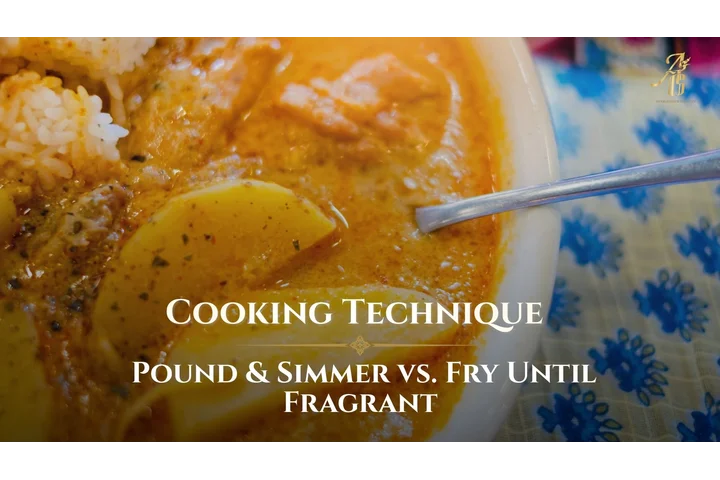
4. Cooking Technique: Pound & Simmer vs. Fry Until Fragrant
The order of kitchen steps affects the final taste:
Thai Curry
Starts by pounding herbs in a stone mortar until finely textured (curry paste), then simmering with coconut cream until the oil separates. This method fully releases the essential oils from fresh herbs.
Indian Curry
Often begins by toasting dried spices in hot oil (Technique: Tadka) to awaken the spice aromas, followed by frying meat and vegetables.
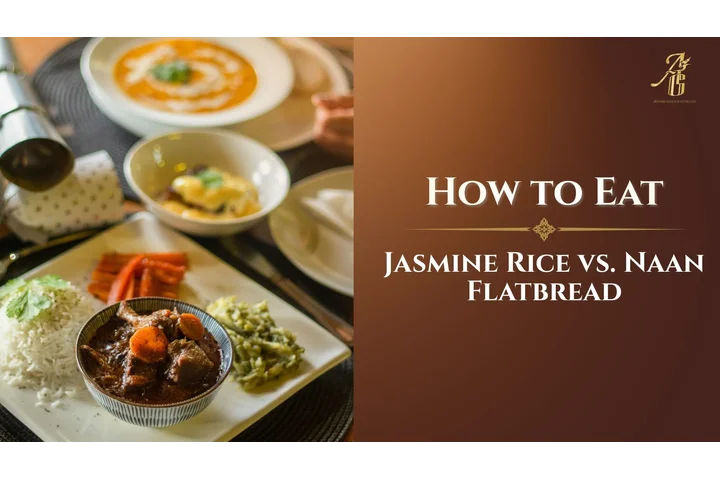
5. How to Eat: Jasmine Rice vs. Naan Flatbread
Perfect companions designed for each other:
Thai Curry
Designed to be eaten with steamed jasmine rice. The curry sauce is slightly thinner to allow easy absorption into the rice grains.
Indian Curry
Usually eaten with various flatbreads such as naan or roti. The curry has a thick, gravy-like consistency for easy scooping with bread.
Experience Authentic Thai Curry at As Good Restaurant
Now that you understand what makes Thai curry fundamentally unique, come taste the difference at As Good Restaurant on Phi Phi Island.
Chef Mod prepares every curry paste the traditional way:
- Stone mortar pounding (never machine-blended)
- Fresh local herbs harvested daily
- Authentic shrimp paste from artisan producers
- Organic coconut milk from Krabi
- Traditional ผัดพริกแกง technique — frying paste until oil separates
Contact Us
As Good Restaurant – Phi Phi Island
WhatsApp: https://line.me/R/ti/p/@201ycxwe
Facebook Page: https://www.facebook.com/AsGoodRestaurant
Instagram: https://www.instagram.com/asgood_restaurantandcafe/
TikTok: https://www.tiktok.com/@asgoodrestaurantandcafe
YouTube: https://www.youtube.com/@as-goodrestaurant