The Untold History of Thai Curry Paste: From Ancient Peppercorns to World-Famous Flavor
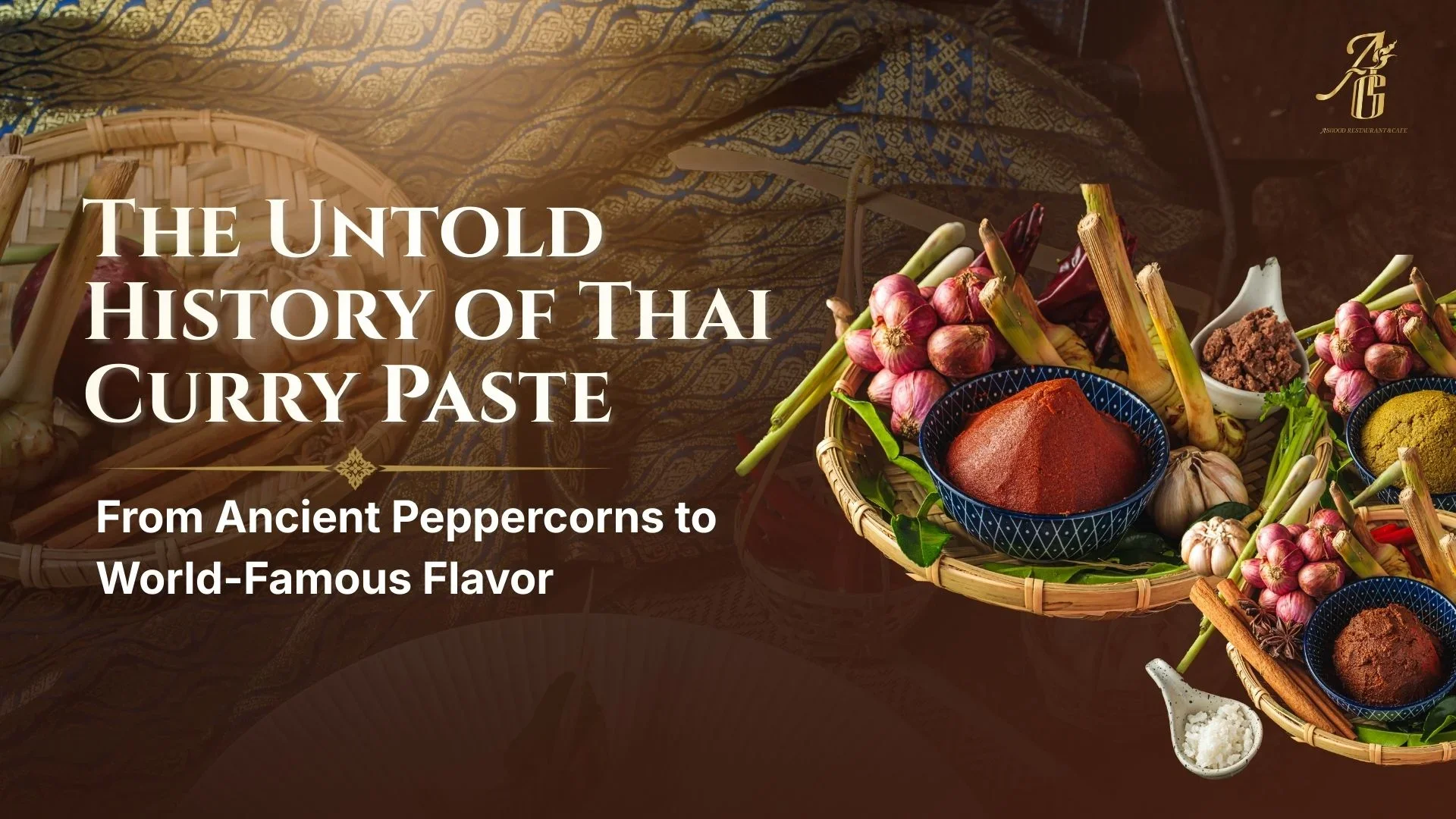
If rice is the lifeblood of Thai people, then Thai curry paste is undoubtedly the soul that makes Thai cuisine uniquely unforgettable. But have you ever wondered how these intensely aromatic, fiery pastes came to exist? The journey of Thai curry paste is far more fascinating and complex than you might imagine.
In this deep dive, we'll explore how ancient Thais enjoyed curry before chilies existed, and how the "chili peppers" we use today made their remarkable journey into Thai kitchens.
Key Highlights:
- Before Chilies Era: When Black Pepper Ruled the Kitchen
- The Portuguese Connection: How Chilies Sailed to Siam
- The Global Melting Pot: Fresh Herbs Meet Dried Spices
- The Green Curry Mystery: A Modern Innovation?
- Stone Mortar & Shrimp Paste: The Symphony Conductors
- Why Thai Curry Paste Captivates the World
1. Before Chilies Era: When Black Pepper Ruled the Kitchen
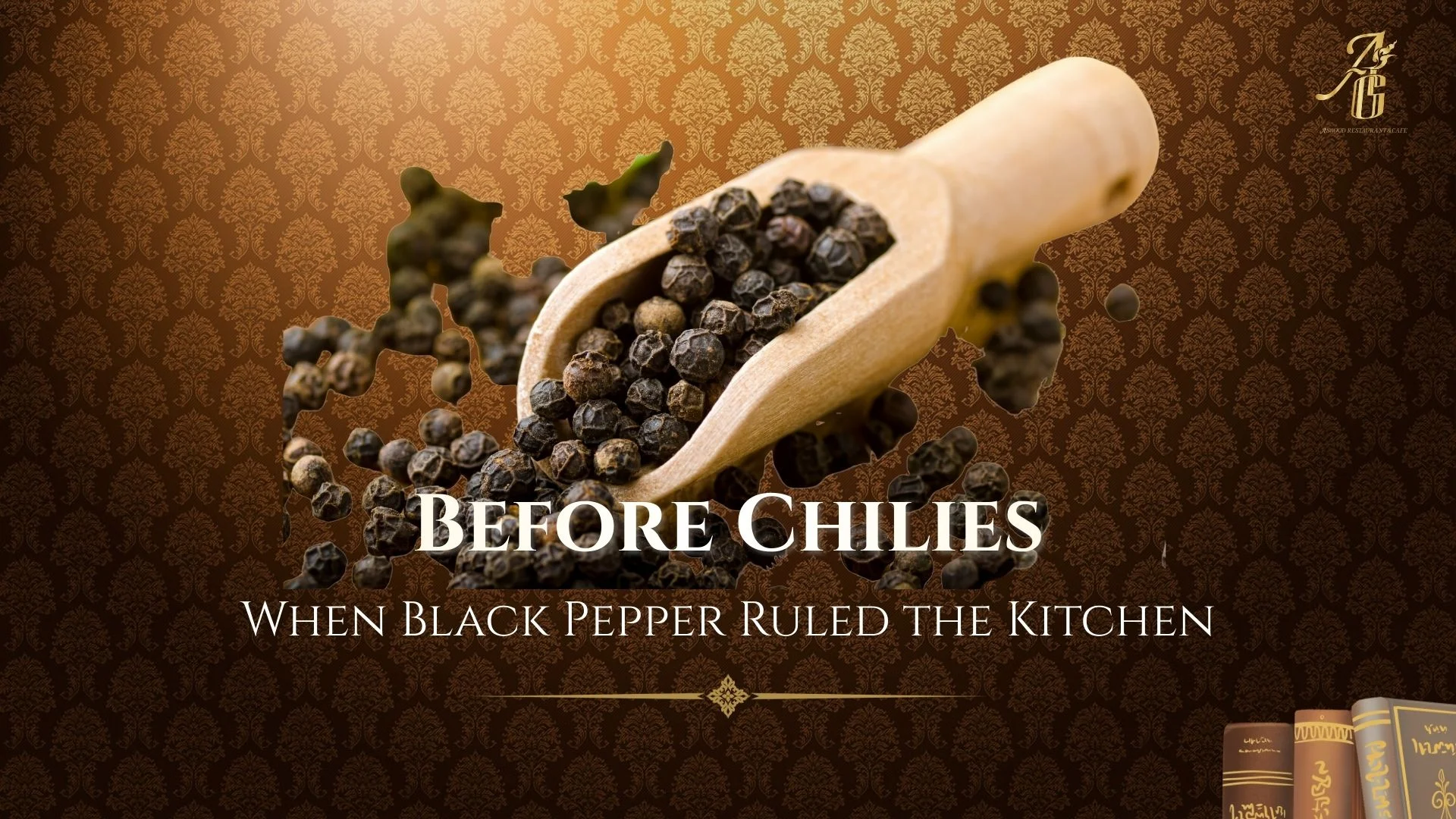
Believe it or not, during the Sukhothai and early Ayutthaya periods, Thai kitchens had zero red chilies, not a single one!
The Secret of Ancient Curries
Ancient Thai cooks relied on black pepper (พริกไทย - "phrik thai") and long pepper (ดีปลี - "dipli") as their primary sources of heat, combined with indigenous aromatics like:
- Galangal (ข่า)
- Lemongrass (ตะไคร้)
- Shallots (หอมแดง)
Gaeng Liang: Thailand's Oldest Curry
Food historians believe that Gaeng Liang (แกงเลียง) might be Thailand's most ancient curry, as it contains no chili peppers at all, relying instead on black pepper for its gentle heat and complex herbal flavors.
2. The Portuguese Connection: How Chilies Sailed to Siam
The game-changer for Thai curry paste arrived during the Ayutthaya period, when Portuguese traders brought chili peppers from South America to plant in Siamese soil.
"Phrik Thet" The Foreign Pepper
Initially, Thais called this new spice "phrik thet" (พริกเทศ - "foreign pepper") to distinguish it from traditional "phrik thai" (black pepper).
The Color Revolution
Once chilies became widespread, Thai curry pastes transformed into the vibrant red masterpieces we know today, with sharper, more intense heat profiles. This gave birth to iconic pastes like:
- Red Curry Paste (พริกแกงเผ็ด)
- Sour Curry Paste (พริกแกงส้ม)
3. The Global Melting Pot: Fresh Herbs Meet Dried Spices
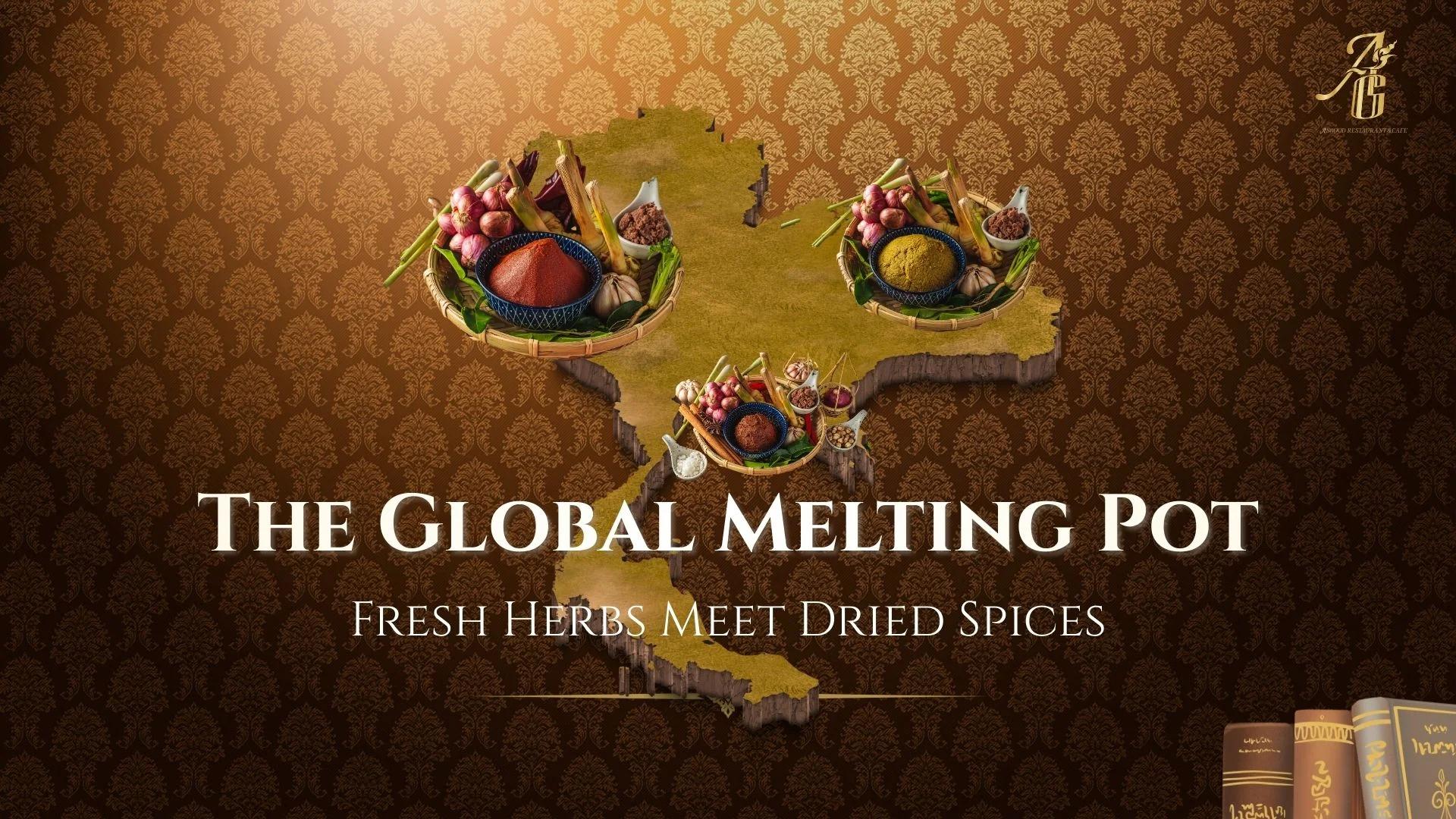
The magic of Thai curry paste lies in its identity as a true "Melting Pot" of culinary cultures:
The Fresh Herb Foundation (Local Identity)
Thai-Mon-Khmer traditions contribute fresh aromatics:
- Lemongrass
- Galangal
- Kaffir lime peel
The Dried Spice Layer (Global Influence)
Persian and Indian trading routes introduced:
- Coriander seeds
- Cumin
- Cinnamon
This fusion created beloved curries like Massaman and Panang, dishes that showcase Thailand's ability to absorb and refine foreign influences.
4. The Green Curry Mystery: A Modern Innovation?
Many people assume Green Curry (แกงเขียวหวาน - "gaeng khiao wan") is centuries old, but research suggests it might be a relatively modern innovation from the reign of King Rama V to King Rama VI.
A Brilliant Adaptation
Instead of using traditional dried red chilies, innovative palace cooks chose fresh green bird's eye chilies mixed with chili leaves to create that distinctive emerald color and uniquely fresh aroma, ultimately becoming Thailand's signature curry worldwide.
5. Stone Mortar & Shrimp Paste: The Symphony Conductors
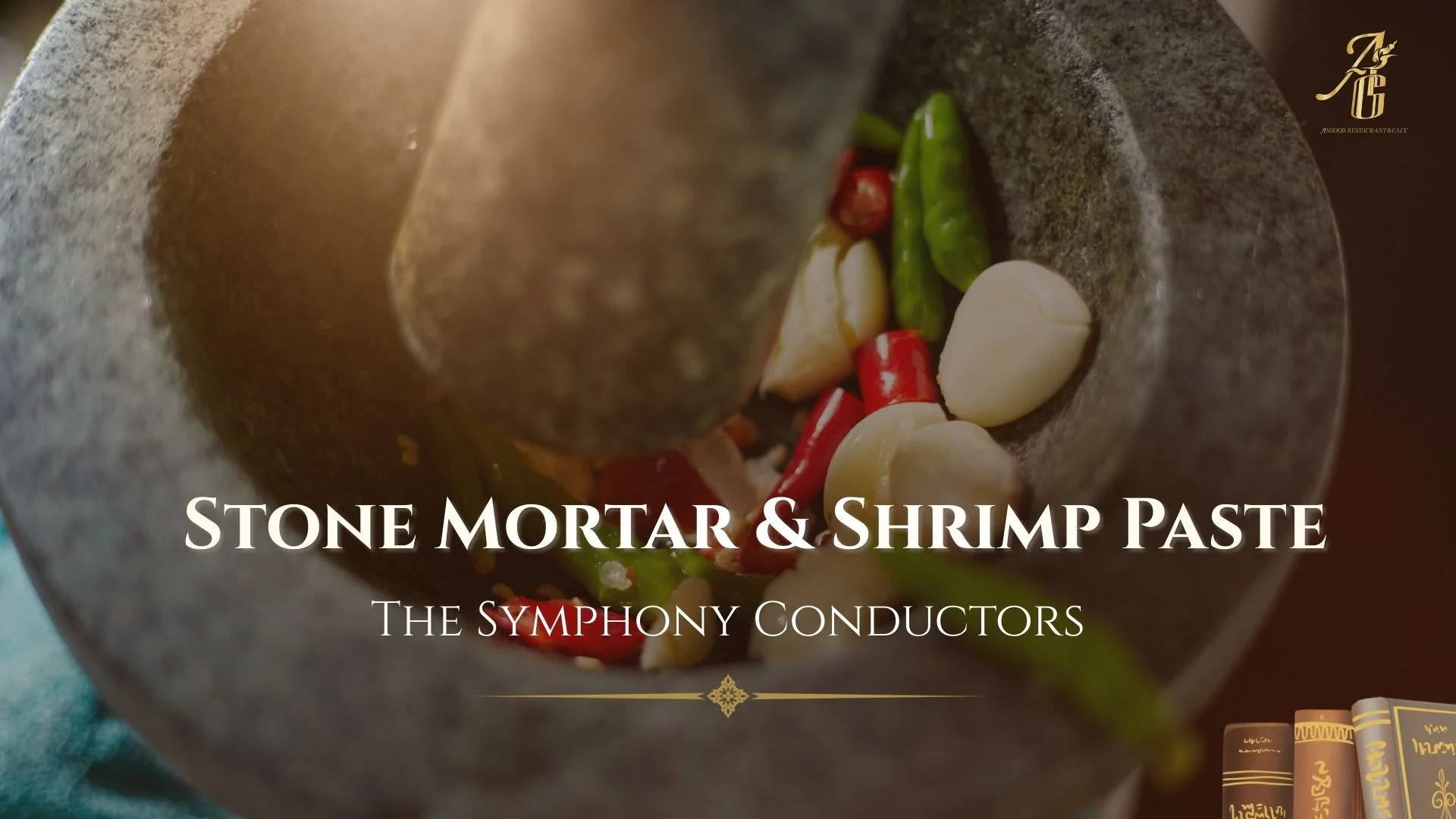
The Stone Mortar (ครกหิน)
Pounding in a stone mortar releases essential oils from herbs gradually, something electric blenders simply cannot replicate. The rhythmic pounding creates texture and releases aromatics layer by layer.
Shrimp Paste (กะปิ)
Kapi (fermented shrimp paste) is the binding agent that unifies all flavors while adding that distinctive Southeast Asian umami depth that makes Thai curries irresistibly savory.
Why Thai Curry Paste Captivates the World
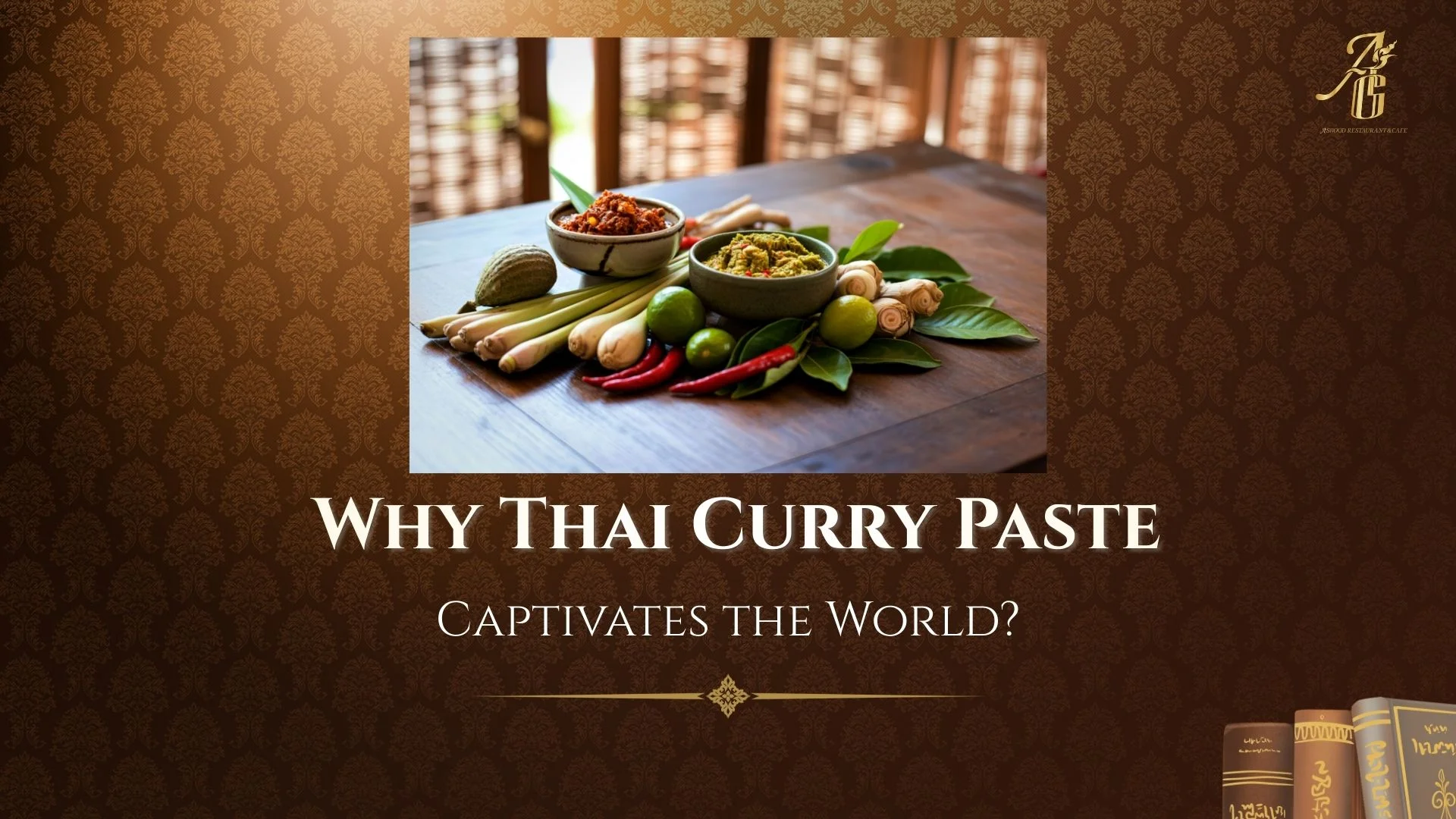
The history of Thai curry paste is a story of openness and adaptation. We took ingredients from the Western Hemisphere, blended them with Middle Eastern spices, and prepared them using ancient Thai wisdom, creating curry pastes with profound, multi-dimensional flavors found nowhere else on Earth.
At As Good Restaurant on Phi Phi Island, Chef Mod honors this incredible heritage by crafting authentic curry pastes from scratch using traditional stone mortars and time-honored techniques. Every bowl of Green Curry, Massaman, or Panang tells the story of centuries of culinary evolution.
Contact Us
As Good Restaurant – Phi Phi Island
WhatsApp: (https://line.me/R/ti/p/@201ycxwe)
Facebook Page: https://www.facebook.com/AsGoodRestaurant
Instagram: https://www.instagram.com/asgood_restaurantandcafe/
TikTok: https://www.tiktok.com/@asgoodrestaurantandcafe
YouTube: https://www.youtube.com/@as-goodrestaurant